

Dog Daycare Safety Checklist: How to Pick the Right Place
Sending your dog to daycare can be a great way for them to burn off energy and socialize, but how do you know if a facility is actually safe? The answer comes down to asking the right questions, understanding vaccination requirements, and honestly evaluating whether your dog’s temperament is a good fit for group play. A quality daycare will be transparent about their safety protocols, health requirements, and how they handle different play styles. With thoughtful preparation and clear health records, you can feel confident that your dog’s fun outing is also a safe one.
At North Waterloo Veterinary Hospital in Elmira, Ontario, we help pet owners prepare for daycare with preventative care tailored to each dog’s lifestyle. That includes guidance on vaccine schedules, parasite prevention, and behavioral readiness for group play. You can contact us to schedule a pre-daycare wellness visit, or learn more about how our wellness and prevention approach supports social, active dogs.
Is Dog Daycare Right for Every Dog?
No. Daycare suits dogs who genuinely enjoy group play and can handle the stimulation of a busy environment. Some dogs thrive with the exercise and socialization, while others find it stressful or overwhelming.
Signs that daycare may be a good fit:
- Your dog seeks out other dogs and engages in relaxed, reciprocal play
- They recover quickly from exciting situations and can settle down
- They tolerate handling by different people without anxiety
Signs that daycare may not be the best choice:
- Your dog hides, freezes, or shows tense body language around unfamiliar dogs
- They snap, growl, or fixate intensely during play
- They become exhausted, anxious, or withdrawn after social outings
Understanding dog tolerance helps you gauge your dog’s social capacity. If daycare is not the right fit, enrichment at home, structured walks, or smaller playdates may be better alternatives. We can evaluate temperament during a wellness exam and discuss options through our comprehensive wellness visits.
What Should You Look for When Touring a Daycare?
A quality daycare should be proud to show you exactly how they keep dogs safe. During your tour, evaluate these key areas:
Supervision and staffing:
- What is the staff-to-dog ratio?
- How are staff trained to recognize stress and prevent conflicts?
- How do they intervene when play becomes too intense?
Grouping and structure:
- Are dogs separated by size, energy level, and play style?
- How are new dogs introduced to existing groups?
- Are rest periods built into the schedule?
Facility safety:
- Are floors non-slip?
- Is fencing secure with no escape points?
- Are transition areas supervised to prevent crowding?
Health requirements:
- What vaccines are required?
- Is parasite prevention mandatory?
- How do they handle dogs who become sick during the day?
Staff should be able to read canine body language and set up safe group play. If a facility is reluctant to answer questions or show you around, consider that a red flag. Before enrollment, a pre-daycare wellness visit can align vaccines, parasite protection, and behavior goals.
What Does Healthy Play Look Like Versus Stress?
Healthy play is cooperative, loose, and includes natural pauses. Stressed or overwhelmed dogs show very different body language.
| Healthy Play Signs | Stress or Overwhelm Signs |
| Play bows (front end down, rear up) | Stiff, frozen posture |
| Loose, wiggly body movements | Tucked tail, lowered body |
| Role reversals (chaser becomes chased) | Pinned-back ears |
| Voluntary breaks and easy exits | Lip licking, yawning, whale eye |
| Relaxed, open mouth | Frantic chasing without breaks |
Skilled staff recognize these cues and guide overstimulated dogs to take breaks before conflicts develop. You should see quick intervention when play escalates and easy opportunities for dogs to disengage. If you are unsure about your dog’s health readiness, our in-house diagnostics can check for health issues that might affect play comfort.
What Vaccines Does My Dog Need for Daycare?
Most daycares require proof of current vaccinations before enrollment. Requirements vary by facility, but typical standards include:
Usually required:
- Rabies: Required by law in Ontario
- DHPP or DAPP: Protects against distemper, parvovirus, parainfluenza, and adenovirus
- Bordetella: Protects against kennel cough, the most common respiratory infection in group settings
Often recommended based on risk:
- Canine influenza: Especially important where dogs mix indoors
- Leptospirosis: Recommended for dogs exposed to water, soil, or wildlife in Waterloo Region
Additional requirements:
- Routine fecal testing for intestinal parasites
- Year-round flea and tick prevention
We tailor vaccine schedules and prevention plans through our wellness and prevention services. For puppies, our puppy wellness programs ensure they complete their core series before starting daycare.
What Contagious Diseases Spread in Daycare Settings?
Group environments increase exposure to certain illnesses. Knowing what to watch for helps you act quickly if symptoms appear.
What Is Parvovirus and Why Is It Dangerous?
Parvovirus is a highly contagious virus that spreads through feces and contaminated environments. It is especially dangerous for puppies and dogs without complete vaccine series.
Symptoms to watch for:
- Lethargy and loss of appetite
- Vomiting
- Severe, often bloody diarrhea
Timely care is crucial for suspected exposure to canine parvovirus. Puppies should complete their full vaccine series and be cleared by a veterinarian before starting daycare.
Why Do Many Daycares Recommend Leptospirosis Vaccination?
Leptospirosis spreads through contaminated water, urine, or soil and can infect both dogs and people. Active dogs who explore puddles, creeks, or rural areas in Waterloo Region face higher exposure risk.
Symptoms to watch for:
- Fever and lethargy
- Vomiting and decreased appetite
- Increased thirst and urination
You should discuss vaccine recommendations with our team; leptospirosis is a growing problem in Ontario, even for small dogs in urban areas.
What Is Oral Papilloma Virus?
The oral papilloma virus spreads through direct contact, often during mouthy play or shared toys. It causes cauliflower-like warts around the lips and mouth.
Dogs with active warts are typically excluded from daycare until lesions resolve. Most cases clear on their own, but some cases can become quite severe. Prompt evaluation helps rule out other serious oral conditions like cancerous growths.
How Do Respiratory Infections Spread at Daycare?
The canine respiratory disease complex (commonly called kennel cough) spreads through airborne droplets in group settings. Canine influenza is another concern, especially indoors.
Symptoms to watch for:
- Persistent coughing (often a honking sound)
- Sneezing and nasal discharge
- Fever and decreased appetite
Keep sick dogs home and notify the daycare immediately to protect other dogs. Good ventilation, frequent cleaning, and vaccination reduce risk. For urgent concerns, reach out for same-day appointments so we can check for pneumonia or other serious respiratory conditions.
What Parasites Can Dogs Pick Up at Daycare?
Communal yards and shared spaces can expose dogs to several parasites.
How Common Are Intestinal Parasites and Giardia?
Internal parasites spread through contaminated feces in shared environments. Giardia is a common protozoan that causes diarrhea or soft stools.
Prevention steps:
- Pick up waste promptly and wash hands after handling leashes or toys
- Report diarrhea to your daycare and pause attendance until cleared
- Add fecal screening to annual wellness care (or more often for social dogs)
Our on-site diagnostics make parasite detection and treatment straightforward.
Can Dogs Get Ringworm, Fleas, or Mange at Daycare?
Yes. These conditions spread through contact with infected dogs or contaminated surfaces.
- Ringworm: A contagious fungal infection that causes circular patches of hair loss; can spread to people
- Fleas: Spread quickly in groups and can transmit tapeworms
- Sarcoptic mange: Causes intense itching and is highly contagious
Check your dog’s coat weekly for fleas, redness, or hair loss. Keep monthly flea and tick prevention current year-round- our pharmacy has great options. Report skin changes to your daycare and pause attendance until treated.
What Injuries Can Happen at Daycare?
Even well-supervised play can result in minor injuries. Knowing what to look for helps you catch problems early.
What Causes Eye Problems After Daycare?
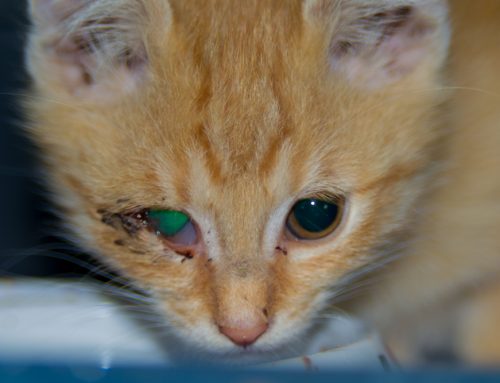
Fast play, dust, and outdoor debris can irritate eyes. Conjunctivitis and corneal scratches are common concerns.
Symptoms to watch for:
- Redness, squinting, or pawing at the face
- Discharge or excessive tearing
- Light sensitivity
Eye issues progress quickly, so timely evaluation matters. Book a same-day exam if symptoms persist.
How Should You Handle Bite Wounds or Scratches?
Even friendly dogs can have disagreements during high-energy play. Small punctures from bite wounds can seal over quickly, trapping bacteria and leading to infection.
After pickup, check your dog carefully:
- Run your hands over their entire body, including under the coat
- Look for tenderness, swelling, or hidden punctures
- Check ears, legs, and the neck area where bites commonly occur
Seek care the same day if anything looks suspicious. Share incident reports with your veterinary team to guide follow-up. Our diagnostics support timely evaluation, and we coordinate after-hours emergencies when needed.
How Should You Prepare Your Dog for Daycare?
Thoughtful preparation sets your dog up for success and helps staff provide appropriate care.
What Information Should You Share With the Daycare?
A good daycare will schedule an evaluation to observe your dog’s social skills and stress signals. Full disclosure helps them plan appropriate groupings and rest breaks.
Share these details:
- Anxiety triggers or fears (thunder, certain dog types, loud noises)
- Resource guarding tendencies (food, toys, beds)
- Mobility limitations or health conditions
- Allergies or medication needs
- Whether your dog needs slow introductions to new dogs
Provide updated vaccine and parasite prevention records, and ask how feedback is shared after sessions. For individualized preparation, our team can discuss behavior goals during wellness visits.
How Can You Help Your Dog Adjust to Daycare?
Short visits, calm drop-offs, and predictable routines help dogs adapt.
Tips for smooth transitions:
- Start with half-days or lower-energy time slots
- Feed a light breakfast and provide a potty break before arrival
- Keep goodbyes brief and upbeat to reduce anxiety
- Maintain consistent drop-off and pickup times when possible
After pickup care:
- Check paws, ears, and coat for injuries or irritation
- Provide fresh water and a quiet space to decompress
- Monitor energy levels; some dogs need a rest day after daycare
For older dogs, smaller groups and frequent rest breaks help protect joints. Our senior wellness program can address mobility, pain management, and stamina for senior dogs attending daycare.
Frequently Asked Questions
What vaccines are required for dog daycare?
Most daycares require rabies, DHPP/DAPP, and Bordetella. Many also recommend canine influenza and leptospirosis based on local risk factors. Fecal testing and year-round parasite prevention are commonly required as well.
How old does my puppy need to be for daycare?
Puppies should complete their core vaccine series (typically around 16 weeks) and be cleared by a veterinarian before starting daycare. Starting too early puts undervaccinated puppies at risk for parvovirus and other contagious diseases.
How do I know if my dog is stressed at daycare?
Signs of stress include tucked tail, pinned ears, stiff posture, excessive panting, lip licking, hiding, or reluctance to engage. If your dog seems exhausted, anxious, or withdrawn after daycare, they may be overwhelmed by the environment.
What should I do if my dog gets sick after daycare?
Contact your veterinarian promptly, especially for symptoms like coughing, diarrhea, vomiting, lethargy, or changes in appetite. Notify the daycare so they can monitor other dogs and clean appropriately.
How often should my dog go to daycare?
This depends on your dog’s energy level and tolerance. Some dogs thrive with daily attendance, while others do better with one or two days per week. Watch for signs of overstimulation or exhaustion and adjust accordingly.
Can senior dogs attend daycare?
Yes, but they may need accommodations like smaller groups, shorter sessions, and more frequent rest breaks. Discuss your senior dog’s stamina and any mobility concerns with both the daycare and your veterinarian.
What if my dog does not enjoy daycare?
Not every dog is suited for group play, and that is okay. Alternatives include dog walkers, in-home pet sitters, enrichment activities at home, or smaller, supervised playdates with compatible dogs.
Your Dog’s Best Daycare Experience Starts With Preparation
Choosing a safe daycare comes down to fit, health, and trust. With the right vaccines, parasite protection, and realistic expectations about your dog’s social style, they can enjoy group play while staying healthy. Ask questions during your tour, pay attention to how staff handle dogs, and be honest about whether daycare matches your dog’s temperament.
North Waterloo Veterinary Hospital is here to help you prepare with individualized care and clear guidance. If you have questions or want to schedule a pre-daycare visit, contact us and let our team support your dog’s next adventure.