
Hidden Dangers in the Grass: Understanding Grass Awn Injuries in Pets
You might notice your dog shaking their head relentlessly after a walk, or perhaps they are licking a spot on their paw raw, but you can’t see what’s bothering them. These subtle signs of discomfort can be caused by something so small it’s often overlooked: grass awns. Those tiny, sharp seed heads on wild grasses are more than a seasonal nuisance; they can burrow into your animal’s skin, ears, or paws and migrate deep into tissues, causing painful infections and sometimes requiring surgical removal. Learning how to prevent exposure is the essential first step in protecting your pet from this quiet danger.
At North Waterloo Veterinary Hospital, we help pet owners stay one step ahead of hidden hazards like grass awns. During wellness exams, our team discusses local seasonal risks and preventive strategies that protect your pet year-round. And if your dog or cat ever shows signs of discomfort after outdoor adventures, our diagnostic services and experienced clinical team are here to help uncover the cause quickly and provide effective treatment.
Why Grass Awns Matter
Grass awns- also known as foxtails or spear grass- are a common yet often underestimated hazard in Ontario’s warm months. They may look harmless, but their sharp, barbed design allows them to cling to fur and clothing with ease. Once attached, they can pierce skin or slip into natural openings like ears and noses, where they begin to migrate forward through tissue.
Because they don’t dissolve or break down naturally, they can trigger infections, abscesses, and inflammation that worsen with time. Early detection and prompt veterinary care can prevent severe complications. If you notice persistent licking, limping, or ear irritation after outdoor activity, contact our team right away for a thorough evaluation.
What Grass Awns Are and How They Behave
Grass awns are the seed-bearing tips of certain wild grasses. Their pointed shape and backward-facing barbs allow them to move in only one direction- forward- making them particularly dangerous once embedded. Common types, such as foxtails, are often found in tall grass, ditches, and rural trails.
During wellness visits, our veterinarians often remind clients to stay vigilant during late spring and summer, when these grasses are at their peak. Awns can cling to a pet’s fur in seconds, especially around the feet, tail, face, and ears. Once they penetrate the skin, their structure prevents natural expulsion, so prompt removal is essential.
Why Grass Awns Are More Dangerous Than They Look
Unlike splinters or burrs, grass awns are designed to burrow deeper over time. Their microscopic barbs anchor them in place and pull them forward with every movement. Left untreated, they can lead to serious complications, including ear infections such as otitis externa, eye injuries like corneal ulcers, or abscesses under the skin.
If an awn migrates internally, it can reach the lungs, abdomen, or other organs, sometimes requiring surgical exploration. Our diagnostic technology– including imaging and laboratory testing- allows our veterinarians to identify these foreign bodies and plan precise, minimally invasive treatment.
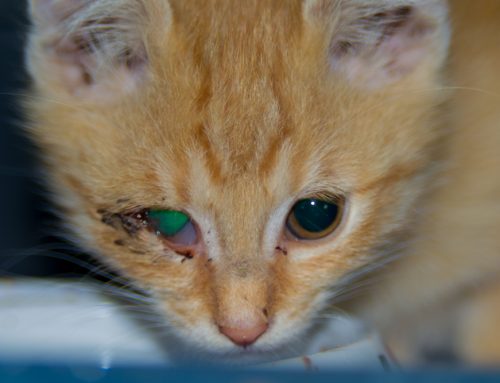
Because awns rarely resolve on their own, any persistent discomfort, swelling, or drainage should be evaluated promptly. Same-day appointments are often available for urgent cases, ensuring your pet receives immediate attention when it matters most. After hours, you should take your pet to the nearest emergency facility- especially if you suspect a grass awn in your pet’s eye, as those can progress to severe corneal ulcers or even penetrate the eye if not treated promptly.
Where Grass Awns Hide and the Signs You May See
Grass awns can lodge almost anywhere on the body. Common trouble spots include:
- Paws: Licking, redness, swelling, or limping between the toes.
- Ears: Head shaking, pawing, or a foul odor from one ear.
- Eyes: Squinting, redness, pawing at the eye, or excessive tearing.
- Nose: Sneezing, nasal discharge, or pawing at the face.
- Skin: Painful lumps, draining sores, or oozing wounds.
Less obvious sites include gums, lips, and the genital area. Many pets develop secondary infections or ongoing irritation that mimic other conditions. Because foxtail injuries can escalate quickly, our veterinarians recommend scheduling an exam at the first sign of discomfort or behavioral change.
How Veterinarians Diagnose and Treat Awn Injuries
Grass awns must be removed professionally- they do not work themselves out. During an examination, our veterinarians focus on affected areas and may recommend sedation for a safe and thorough search. Depending on the location and depth of the awn, diagnostic imaging such as ultrasound or X-ray can help pinpoint its position.
Treatment often includes surgical or endoscopic removal, antibiotics to treat infection, and pain management for comfort. In some cases, advanced therapies such as laser treatment can help reduce inflammation and promote faster healing. Follow-up visits ensure no fragments remain and that the affected tissues are healing properly.
Our experienced team and diagnostic services provide a complete approach- from detection through recovery- giving your pet the best chance for a quick and full return to comfort. Our surgical services utilize customized anesthetic protocols, modern surgical laser techniques, and even specialty trained surgeons who come right to our practice to provide the highest quality surgical care available.
Practical Prevention Strategies That Work
While it’s impossible to eliminate all risks, prevention dramatically lowers the chance of injury. Regular coat care, trimming, and inspections after walks go a long way toward protecting your pet. Regular grooming helps reduce matting that traps debris, and specialized protective gear such as Outfox hoods can keep seeds out of ears and eyes during outdoor adventures.
During your pet’s next wellness and prevention visit, ask our team for tailored tips based on your pet’s coat type, activity level, and the environments you frequent. We’ll help you build a routine inspection and grooming plan that fits your lifestyle and your pet’s needs.
A Quick Post-Adventure Checklist
After every walk or hike, take a few minutes to inspect your pet:
- Run your fingers through their fur, especially around the legs, tail, and belly.
- Spread their paw pads and check between toes.
- Examine the ears and along the ear margins.
- Look closely at the eyes, nose, and mouth.
- Watch for sneezing, licking, or sudden irritation later in the day.
These small habits can prevent big problems. When you find one foxtail, it’s likely there are more- be thorough. Searching for foxtails may seem tedious, but it will save your pet from pain and infection and save you money in veterinary costs. If you find anything suspicious or notice unusual behavior, schedule a same-day appointment for peace of mind.
Frequently Asked Questions About Grass Awns
Do awns work themselves out?
No. Because of their barbed shape, they only move deeper into tissue, increasing the risk of infection.
Are they just a summer problem?
Peak risk occurs from late spring through fall, but dried awns can persist in the environment even during cooler months.
Are cats affected too?
Yes- especially long-haired or outdoor cats, which are prone to seeds lodging in their fur or between their toes.
Can awns be life-threatening?
In rare cases, migrating awns can reach vital organs, leading to serious infection or internal damage.
When should I call the vet?
Immediately. If your pet is showing signs of irritation, pain, or drainage, contact us for evaluation. Timely treatment prevents deeper migration and complications.
Protecting Pets from Hidden Outdoor Hazards
Outdoor adventures are a wonderful part of your pet’s life, but hidden dangers like grass awns remind us why prevention and prompt care matter. At North Waterloo Veterinary Hospital, we’re here to keep those adventures safe and stress-free. From routine wellness care to urgent evaluations and advanced diagnostics, your pet is in caring, capable hands.
If you suspect your pet has been exposed to grass awns or is showing unusual symptoms, contact us to schedule an appointment. A quick exam today can spare your pet from pain tomorrow- and keep every tail wagging through the seasons ahead.