
Your 12-year-old dog used to race to greet you at the door. Now she stays on her bed, tail wagging but body still. Your senior cat, once a countertop acrobat, now hesitates before jumping to his favorite windowsill. These changes feel like normal aging, but they often signal something more: chronic pain that can be treated and relieved.
At North Waterloo Veterinary Hospital in Elmira, Ontario, we provide comprehensive care for pets at every life stage, with a dedicated focus on senior wellness and pain management. We recognize that identifying and managing pain in older pets requires a combination of medical expertise, compassionate care, and customized treatment plans.
Why Senior Pets Hide Their Discomfort
In the wild, showing pain signals weakness to predators and rivals. Though your pet lives safely in your home, this survival instinct remains deeply ingrained. Dogs and cats naturally mask discomfort, making chronic pain difficult to detect until it becomes severe.
What looks like slowing down with age may actually be treatable pain. A dog refusing longer walks might be managing arthritic joints. A cat eating on one side of her mouth could be suffering from dental disease. These subtle changes deserve veterinary attention, not resignation to “just getting old.”
Recognizing these signs early prevents pain from escalating into crisis and helps your pet maintain quality of life throughout their senior years. Our senior wellness programs focus on detecting and addressing age-related conditions before they compromise your pet’s comfort and mobility.
Recognizing Pain Symptoms in Senior Dogs
Common Signs Your Dog Is Hurting
Dogs communicate pain through behavioral changes that owners often attribute to personality shifts or aging. Understanding these signals helps you identify when your dog needs help.
Watch for these indicators:
- Reluctance to climb stairs or jump into the car
- Stiffness or limping after rest periods
- Panting at rest without heat or exertion
- Changes in posture, such as a hunched back
- Irritability or snapping when touched in certain areas
- Decreased interest in play or walks
The pet pain and mobility guide offers detailed information about recognizing mobility issues and pain-related behaviors in dogs. These changes often develop gradually, making them easy to overlook until pain significantly affects daily life.
Dogs experiencing chronic pain may also show changes in sleep patterns, appetite, or social behavior. A normally friendly dog might withdraw or become protective of painful areas. Early recognition and intervention prevent unnecessary suffering and maintain your dog’s independence and joy in daily activities.
Identifying Pain Signals in Senior Cats
Subtle Changes That Reveal Feline Discomfort
Cats excel at hiding pain, making detection particularly challenging for owners. Their independent nature and tendency to rest frequently can mask significant discomfort.
Common pain indicators in cats include:
- Jumping onto lower surfaces or avoiding heights entirely
- Unkempt coat due to reduced grooming
- Hiding more often or withdrawing from family interaction
- Litter box avoidance or eliminating outside the box
- Decreased appetite or eating more slowly
- Changes in vocalization patterns
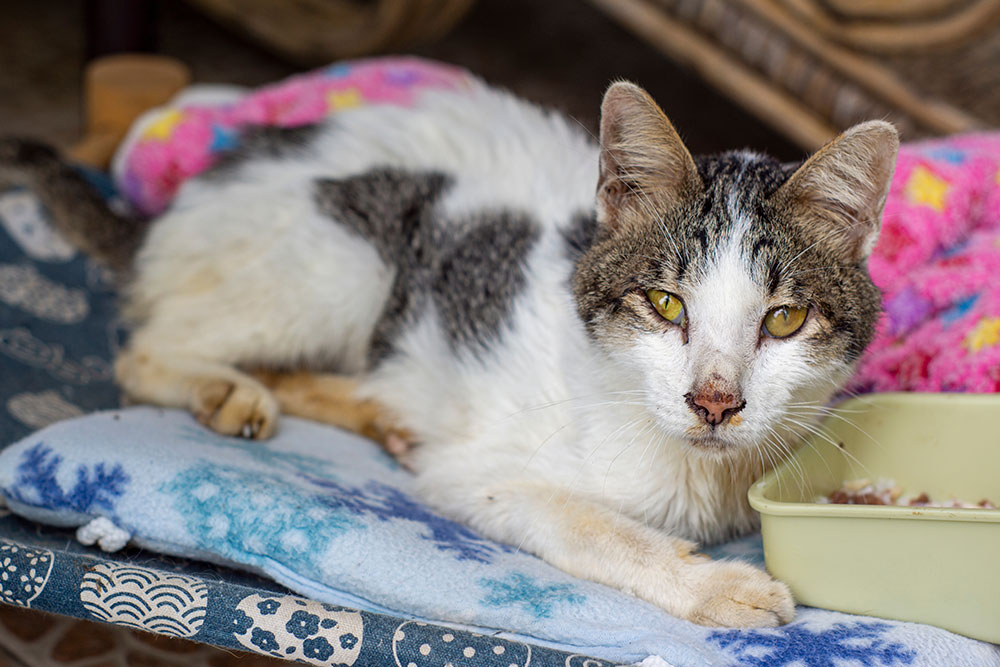
The Feline Grimace Scale provides a validated tool for assessing pain through facial expressions. Changes in ear position, whisker orientation, and eye shape can reveal discomfort that cats work hard to conceal.
Senior cats with arthritis often stop using litter boxes with high sides, leading owners to assume behavioral problems rather than recognizing pain. Understanding these subtle signals helps you advocate for your cat’s comfort and prevents misdiagnosis of treatable medical conditions. Our Cat-Friendly practice ensures your senior cat receives low-stress, high-quality care that caters to feline needs.
Common Sources of Chronic Pain in Older Pets
Multiple conditions contribute to long-term discomfort in senior dogs and cats. Identifying the underlying cause guides effective treatment and improves outcomes.
Frequent painful conditions include:
- Arthritis: Joint degeneration causing stiffness and reduced mobility
- Dental disease: Periodontal infections, tooth root abscesses, and oral pain
- Cancer: Tumors causing pressure, inflammation, or organ dysfunction
- Soft-tissue injuries: Ligament damage, muscle strains, or chronic inflammation
- Neuropathic pain: Nerve damage from spinal disease or metabolic conditions
Dental disease deserves special attention, as oral infections cause severe pain that affects eating, grooming, and overall quality of life. Many senior pets suffer silently from tooth root abscesses or periodontal disease that owners cannot see without professional examination.
Understanding painful conditions in pets helps you recognize when your pet needs evaluation. At North Waterloo Veterinary Hospital, we provide comprehensive dental care and pain assessment as part of our commitment to senior pet wellness.
Comprehensive Pain Assessment and Diagnosis for Elderly Pets
Advanced Tools for Accurate Pet Evaluation
Effective pain management begins with thorough diagnosis. Our veterinarians combine physical examination with advanced imaging and laboratory testing to identify pain sources and develop targeted treatment plans.
Diagnostic steps include:
- Orthopedic and neurologic examinations to assess joint function, muscle tone, and nerve responses
- Digital radiographs revealing arthritis, bone disease, or structural abnormalities
- Ultrasound imaging evaluating soft tissues and internal organs
- In-house blood panels screening for metabolic conditions contributing to discomfort
Advanced imaging such as CT scans may be recommended for complex cases requiring detailed anatomical information. Our diagnostic services provide the comprehensive evaluation necessary for accurate diagnosis and effective pain management planning.
Pain assessment also includes behavioral evaluation and owner observations. Your insights about changes in your pet’s daily activities, sleep patterns, and interactions provide crucial information that guides treatment decisions.
Creating Effective Treatment Plans for Pain Relief in Pets
Pharmaceutical Options for Senior Pet Comfort
Modern pain management offers multiple medication options tailored to your pet’s specific condition, age, and overall health status. No single medication works for every pet, and treatment plans often combine several approaches.
Common pain relief medications include:
- NSAIDs: Anti-inflammatory drugs reducing joint pain and swelling
- Opioids: Stronger pain relievers for moderate to severe discomfort
- Gabapentin: Nerve pain medication particularly effective for neuropathic conditions
- Monoclonal antibody therapies: Librela for dogs and Solensia for cats provide monthly injections targeting arthritis pain
Understanding pain relief medications helps you make informed decisions about your pet’s care. Our veterinarians carefully select medications based on your pet’s specific needs, monitoring for effectiveness and adjusting treatment as conditions change.
Rehabilitation and Alternative Therapies for Senior Pets
Physical medicine and alternative therapies complement pharmaceutical management, often reducing medication needs while improving function and comfort.
Beneficial therapies include:
- Laser therapy: Cold laser therapy reduces inflammation and promotes healing at the cellular level
- Acupuncture: Acupuncture benefits include pain relief, improved circulation, and reduced muscle tension
- Massage and stretching: Gentle techniques described in this massage guide improve flexibility and reduce muscle soreness
These therapies work synergistically with medication, often providing relief when pharmaceutical options alone prove insufficient. Many pets show remarkable improvement with multimodal pain management approaches combining several treatment methods.
Home Modifications and Supportive Care for Senior Pets
Environmental adjustments significantly impact your pet’s daily comfort and independence. Simple changes reduce pain triggers and help senior pets navigate their homes safely.
Helpful modifications include:
- Assistive devices: Assistive devices such as ramps, harnesses, and orthopedic beds reduce strain on painful joints
- Home adjustments: Arthritis-friendly home modifications like non-slip flooring and elevated food bowls improve accessibility
- Gentle interactions: Positive, low-stress handling respects painful areas and maintains trust
These changes work alongside medical treatment to create a comprehensive pain management strategy.
Preventive Pet Wellness Plans for Long-Term Comfort
Proactive Care That Makes a Difference for Senior Pets
Prevention and early detection form the foundation of effective pain management. Regular wellness visits allow our veterinarians to identify problems before they cause significant discomfort or functional decline.
Our wellness programs include age-appropriate screening, physical examinations, and preventive care tailored to your pet’s life stage. Senior pets benefit from more frequent monitoring, allowing us to adjust treatment plans as conditions evolve.
Early intervention for conditions like dental disease, arthritis, and metabolic disorders prevents pain from becoming chronic and difficult to manage. Our comprehensive approach emphasizes quality of life throughout your pet’s senior years.
Recognizing When Senior Pet Pain Requires Emergency Care
Some pain signals demand immediate veterinary attention. Understanding emergency warning signs helps you respond quickly when your pet’s condition deteriorates suddenly.
Seek urgent care if your pet shows:
- Sudden collapse or complete inability to walk
- Continuous crying, whining, or aggressive behavior
- Severe swelling or visible injury
- Rapid, shallow breathing or panting at rest
- Straining without producing urine
During business hours, contact us immediately if you observe these symptoms. For after-hours emergencies, we provide referral information for emergency veterinary services ensuring your pet receives prompt critical care.
Helping Your Senior Pet Live Comfortably
Chronic pain doesn’t have to define your pet’s senior years. Modern veterinary medicine offers effective tools for managing discomfort, improving mobility, and maintaining quality of life. By recognizing subtle behavior changes and seeking prompt veterinary care, you give your aging companion the gift of comfort and dignity.
At North Waterloo Veterinary Hospital, our experienced team combines medical expertise with compassionate, individualized care. We partner with you to develop pain management strategies that honor your pet’s unique needs and your family’s goals.
Request an appointment today to discuss your senior pet’s comfort and explore treatment options that can help them age with grace.