

Your dog still meets you at the door with a wagging tail. Your cat still claims her favourite sunbeam every afternoon. Their appetites look familiar, their routines feel intact, and at first glance there is nothing to suggest anything has shifted. But somewhere around their seventh or eighth birthday, the math underneath that calm exterior begins to change. Organ function drifts. Hormones rebalance. Subtle disease processes take root and progress for months without producing a single visible sign. The conditions most worth catching early in senior dogs and cats are exactly the ones that do not announce themselves.
North Waterloo Veterinary Hospital serves families across the Elmira, Ontario area with the kind of consistent, personalised care that comes from a team who know your pet and speak up for them when they can’t speak for themselves. Our diagnostics are designed to catch early changes before they become complicated ones. Contact us to schedule your senior pet’s screening.
At What Age Is My Pet Considered Senior?
Senior status arrives at different ages for different pets. These are useful general guidelines:
- Small dogs (under 9 kg): senior at 8 to 10 years
- Medium dogs: senior at 7 to 9 years
- Large dogs: senior at 6 to 8 years
- Giant breeds: senior as early as 5 to 6 years
- Cats: senior at 11 years; geriatric at 15+
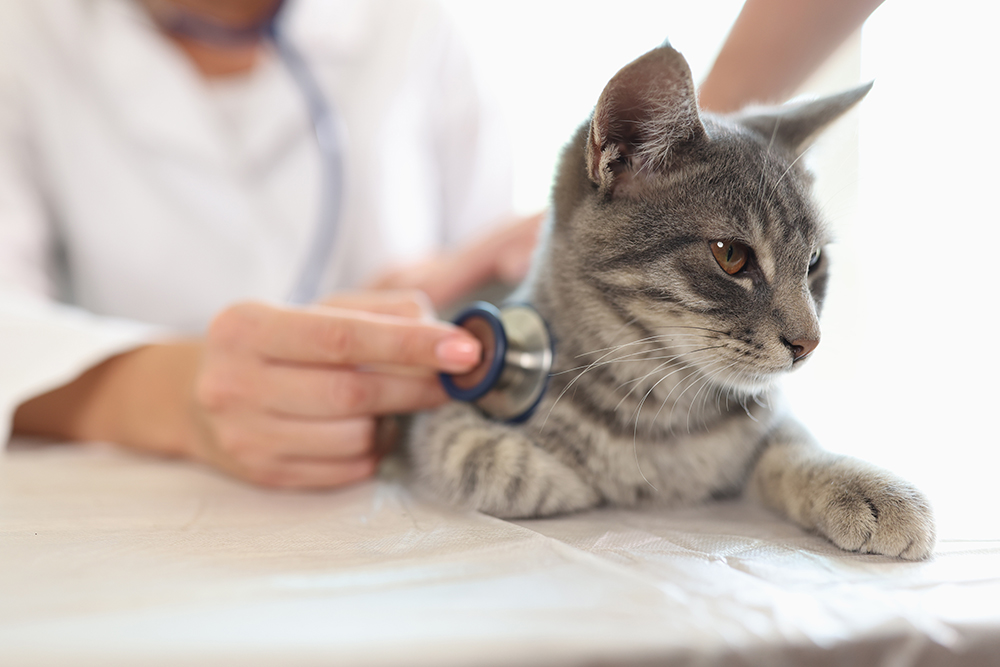
A bit of greying around the muzzle, slower morning stretches, more time spent dozing in soft places: all of these can be perfectly normal expressions of getting older. The trouble is that early disease often hides inside that same picture. Cats in particular are masters of disguise, and many dogs will keep doing their favourite things long after they should have flagged that something hurts. Our senior canine and feline wellness program is built around catching what casual observation will miss.
Why is a Yearly Exam Alone Not Enough?
A physical exam is excellent at what it does, but its reach has limits. We can identify weight changes, palpate masses, hear murmurs, look in ears and at gums, and check joints. What we cannot see, hear, or feel includes nearly everything happening inside the kidneys, liver, thyroid, and bone marrow at the cellular level. That territory is where senior disease usually gets its start, which is why preventive testing becomes increasingly valuable as pets age.
Our wellness programs cluster the right tests into the right life stages so the most useful screening happens at the most useful time. For pets making the transition into senior care, our adult wellness program sets the baselines that later screening can compare against.
What Goes Into a Comprehensive Senior Workup
Senior pet care recommendations typically draw from this menu, individualised to each pet:
- Complete blood count and chemistry panel: the foundation of internal health screening
- Thyroid screening: T4, with extended panels when indicated
- Urinalysis: including specific gravity for early kidney information
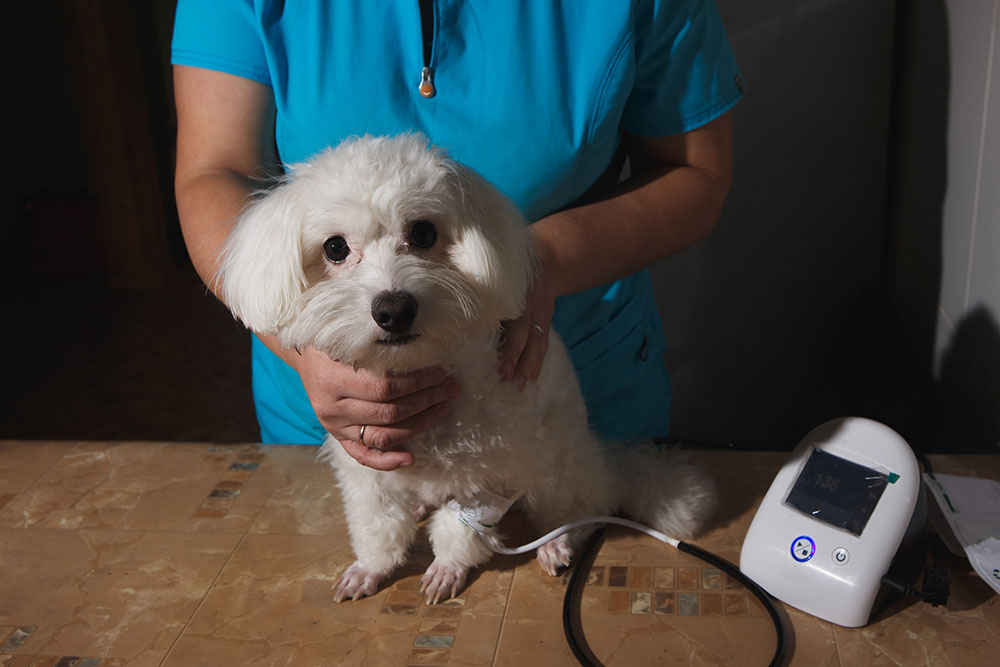
- Blood pressure measurement: because hypertension is silent damage
- Heartworm and tick-borne disease testing: still relevant for older pets in Ontario
- Chest radiographs: especially for medium and large breeds and pets with murmurs
- Abdominal ultrasound: when bloodwork or exam findings suggest a closer look
- NT-proBNP cardiac screening: for at-risk patients
- Fecal testing: for parasite surveillance
An 8-year-old healthy small dog usually does not need every one of these annually. A 14-year-old cat with subtle weight loss often needs the comprehensive workup. We work through the right combination at every visit, based on what makes sense for your specific pet.
What Does Bloodwork Tell Us About a Senior Dog or Cat?
Blood panels translate internal organ function into numbers we can track over time. Each component answers different questions:
| Test | What It Measures | What It Detects |
| CBC | Red and white blood cells, platelets | Anaemia, infection, immune issues, bone marrow concerns |
| Chemistry panel | Organ function markers | Kidney disease, liver disease, electrolyte imbalances, diabetes |
| Thyroid (T4) | Thyroid hormone level | Hypothyroidism in dogs, hyperthyroidism in cats |
| Heartworm/tick-borne | Specific pathogens | Heartworm, Lyme, ehrlichia, anaplasma |
| Glucose | Blood sugar | Diabetes screening |
Trends often reveal what single results cannot. A creatinine value that has nudged upwards for three consecutive visits tells us something even if every individual reading falls inside the lab’s reference range. Subtle drift in red blood cell counts, thyroid hormones, or urine concentration can foreshadow disease months or even years before a pet looks visibly off.
Blood Pressure Measurement: Quietly One of the Most Important Tests
Hypertension earns its label as a silent threat. It causes no obvious symptoms while it is developing, but the damage it produces over time is significant. In senior pets, sustained high blood pressure can lead to:
- Retinal detachment and sudden vision loss
- Brain effects including seizures and behaviour changes
- Heart enlargement
- Acceleration of underlying kidney disease
When we identify hypertension, oral medication usually brings it under control with regular rechecks.
What do Urine Samples Reveal?
Urinalysis often pulls more weight than people expect for such a simple test. A complete urinalysis evaluates concentration, pH, protein, glucose, and microscopic findings (cells, crystals, bacteria). Paired with bloodwork, it gives a much fuller picture of urinary and metabolic health than either test alone.
Specific findings worth knowing:
- Specific gravity (concentration): shows early kidney disease
- Protein: even small amounts can indicate early kidney damage
- Glucose: suggests diabetes
- White blood cells and bacteria: point toward urinary tract infection
- Crystals or stones: flag risk for bladder or urinary obstruction
Senior pets benefit from at least one urinalysis per year.
Cardiac Screening for the Older Pet
Heart disease in senior pets often develops in slow motion. Pets stay outwardly normal for a long time before the heart’s reserve runs short and symptoms surface. By the time you are noticing exercise intolerance or a cough, things have usually been progressing for a while.
Heart disease diagnosis draws on a few core tools:
- Chest radiographs: evaluate heart size, lung fields, and pulmonary vessels
- Echocardiogram: detailed cardiac anatomy and function; the most sensitive cardiac test
- NT-proBNP testing: a blood test that screens for cardiac stress
- ECG: evaluates heart rhythm and electrical activity
These tests are well-tolerated and noninvasive. For pets with murmurs detected on exam, breeds at higher cardiac risk, or any senior with new exercise intolerance, a coordinated workup gives us a clear cardiac picture. When complex cardiac cases warrant deeper evaluation, our specialist consultations connect you with cardiology expertise.
Why is Imaging Important for Senior Pet Screening?
Radiography and ultrasound reach where bloodwork cannot go.
X-rays are most useful for:
- Evaluating heart size and shape
- Identifying lung abnormalities (masses, infections, fluid)
- Detecting bone changes including arthritis severity
- Identifying abdominal masses or organ enlargement
Ultrasound shines for:
- Detailed soft tissue evaluation of organs
- Assessing organ architecture (liver, kidneys, spleen, GI tract)
- Cardiac evaluation through echocardiography
- Investigating unexplained bloodwork patterns
Both modalities work best in concert, with bloodwork and exam findings shaping which images are most likely to add useful information. We provide both x-rays and ultrasound, including cardiac ultrasound, as a part of our comprehensive diagnostic services for senior pets in Elmira.
What Senior Conditions are Caught Most Often by Screening?
Heart Disease
The species and size of your pet shape which form of heart disease is most likely:
- Small dogs: mitral valve disease accounts for the majority of cases
- Large dogs: dilated cardiomyopathy is the leading concern
- Cats: hypertrophic cardiomyopathy is the most common feline heart disease
Modern heart disease treatment has come a long way. Pets diagnosed before congestive heart failure develops, and started on appropriate medication, often live well for years.
Chronic Kidney Disease
Chronic kidney disease ranks among the most common senior diseases, particularly in cats. Pets often do not show symptoms until 65 to 75 percent of kidney function has been lost, which is precisely why bloodwork and urine screening matter so much. Early signs include increased thirst and urination, gradual weight loss, decreased appetite, and intermittent vomiting. Management combines prescription kidney diets, fluid therapy, blood pressure control, and treatment of secondary conditions.
Hyperthyroidism in Cats
Hyperthyroidism is among the most common diseases of senior cats. Hallmarks include weight loss despite a robust or even increased appetite, restlessness, increased thirst, and sometimes vomiting or diarrhea. Untreated, the disease progressively damages the heart and kidneys. Treatment options span daily medication, prescription diet, surgical thyroidectomy, and radioactive iodine therapy.
Hypothyroidism in Dogs
Hypothyroidism develops when the thyroid gland slows down and produces too little hormone. Many of its signs (weight gain without overeating, lethargy, cold intolerance, thinning coat, recurrent skin infections) get written off as ordinary aging. Diagnosis is straightforward through bloodwork, and daily oral hormone supplementation typically restores normal function within a few weeks.
Cancer
Routine exams and imaging help identify cancer earlier than waiting for symptoms. The most common forms in senior pets include:
- Lymphoma: affects both dogs and cats
- Mast cell tumours, melanomas, and other skin cancers: found across many breeds
- Mammary cancer: especially in unspayed or late-spayed females
- Hemangiosarcoma: seen most often in large breed dogs
- Osteosarcoma: common in large and giant breeds
Watch for unexplained weight loss, persistent vomiting or diarrhea, lameness that does not resolve, lumps that change in size or character, persistent cough, or behaviour changes.
Liver Disease
Bloodwork commonly catches liver disease before any outward signs appear. Elevated liver enzymes can indicate inflammation, infection, toxin exposure, or developing chronic conditions. Symptoms that arrive later include decreased appetite, weight loss, vomiting, jaundice, and behaviour changes. Treatment depends on the underlying cause.
Arthritis and Joint Pain
Arthritis affects a huge proportion of senior pets and is dramatically underdiagnosed. Both dogs and cats benefit from proactive recognition and treatment. The modern toolkit includes:
- Pain medications: NSAIDs, gabapentin, and adjunct therapies
- Solensia: monthly monoclonal antibody injection for cats
- Librela: monthly monoclonal antibody injection for dogs
- Joint supplements: ongoing structural support
- Omega-3 fatty acids: to reduce joint inflammation
- Laser therapy: drug-free pain relief through targeted light therapy
Tailored nutrition is part of the arthritis conversation as well. Weight reduction in overweight pets removes meaningful strain from painful joints, and prescription diets formulated for joint health can complement other treatments.
Dental Disease
Dental disease is extremely common in senior pets and has consequences far beyond the mouth. Bacteria from advanced periodontal disease can affect the heart, kidneys, and liver. Dental care for senior pets typically includes:
- Annual oral exams during every wellness visit
- Professional cleanings under anaesthesia with full-mouth radiography
- Treatment of any disease identified
- At-home dental maintenance between cleanings
Pre-anaesthetic bloodwork is important for senior dental procedures. With confirmed organ function and cardiovascular status, the great majority of senior pets handle anaesthesia very well. Our dentistry services include full-mouth radiography, ultrasonic scaling and polishing, comprehensive oral exam and dental charting, extractions when needed, local nerve blocks, and pre- and post-op pain management, all in our dedicated dental suite.
Frequently Asked Questions
How often should my senior pet be screened?
Twice-yearly exams with annual or biannual bloodwork is the typical baseline. Pets with diagnosed conditions or specific risk factors usually need more frequent monitoring.
Is anaesthesia safe for older pets?
Yes, in the great majority of cases, when the right precautions are in place. Pre-anaesthetic bloodwork, individualised anaesthetic protocols, and continuous monitoring keep senior anaesthesia safe. Our anaesthesia protocols include continuous monitoring of blood pressure, oxygen saturation, temperature, heart rate, and respiratory rate, with board-certified anaesthesiologist consultation for higher-risk cases.
What happens if screening finds a problem?
Early detection generally means more treatment options and better outcomes. We will walk through findings with you, discuss what additional testing or treatment makes sense, and work out a plan that fits your pet and your priorities.
Will my pet insurance cover senior screening?
Coverage varies widely by policy. Many pet insurance plans cover diagnostic testing for senior pets, particularly when symptoms or other findings prompt the workup, and wellness add-on coverage often includes routine screening. Check your specific policy for what applies.
My dog or cat seems perfectly fine. Do they really need all this?
Senior pets are remarkably good at hiding illness, and cats are even better at it than dogs. By the time external signs appear, many conditions have advanced past the early treatment window. Screening exists to catch what observation alone cannot.
Helping Your Senior Pet Age Well in Elmira
The pets who do best through their senior years are usually the ones whose care includes regular monitoring rather than waiting for symptoms. Comprehensive screening catches developing conditions when treatment options are at their best, and consistent follow-up keeps small changes from becoming serious ones.
If your senior dog or cat is due for screening, our team is ready to help. Request an appointment and we will work through what makes sense for your specific pet.



Leave A Comment